How Road and Weather Conditions Affect Car Accident Claims in East Tennessee
If you’ve lived in East Tennessee for any length of time, you know our weather conditions don’t always play fair. One minute you’re driving under clear skies through the Tennessee Valley, and the next you’re inching through fog rolling off the Smokies or hydroplaning through a sudden downpour on I-40. Add in winding mountain roads, black ice on bridges in the winter, and glare from a low-hanging sun, and it’s no wonder East Tennessee sees its share of weather-related crashes every year.
If you were injured in a crash that happened during bad weather, you may have already run into a frustrating problem: the insurance company blaming “the weather” for everything. Adjusters love this excuse because it shifts attention away from the other driver’s choices — how fast they were going, how closely they were following, whether their car was even safe to drive in those conditions. Weather can explain why the road was slick and visibility was poor, but it doesn’t erase a driver’s responsibility to adjust their behavior accordingly.
Our Knoxville car accident lawyers help injured people throughout East Tennessee push back against these kinds of excuses. If you’re recovering from a crash and wondering how weather conditions might affect your case, we’re here to walk you through it.
The Role of Road and Weather Conditions in Car Crashes
East Tennessee’s geography creates some unique driving hazards. Fog can settle heavily in our valleys and low-lying areas, sometimes dropping visibility to just a few car lengths. Sudden mountain storms can turn a dry road slick in minutes. Bridges and overpasses freeze before the rest of the road does, catching drivers off guard in winter months. And glare from the sun, especially during morning and evening commutes on east-west routes, can blind drivers just long enough to miss a stopped car ahead.
Add to that the everyday hazards of aging infrastructure — potholes, worn lane markings, poor drainage — and you have a recipe for crashes that seem, on the surface, to be caused by “the conditions.” But conditions alone don’t cause accidents. How a driver responds determines whether a crash was avoidable. That distinction matters enormously when building a claim after you’ve been hurt.
How Drivers Must Adapt to Bad Weather
Tennessee law expects drivers to adjust their behavior to match the conditions they’re driving in. That means when the weather turns bad, “business as usual” isn’t good enough. Here is what drivers are expected to do:
- Increase following distance. Wet or icy roads take much longer to stop on, so tailgating becomes far more dangerous.
- Reduce speed, even below the posted limit if conditions call for it.
- Turn on headlights during fog, heavy rain, or low-light conditions, both to see and to be seen.
- Avoid sudden braking or lane changes that can cause a vehicle to skid or lose control.
- Stay especially alert in high-risk areas like bridges, curves, and highway exit ramps, where hazards tend to appear with little warning.
- When a driver fails to make these adjustments, and someone gets hurt as a result, that failure can become central to an injury claim.
Common Scenarios Where Poor Weather Conditions Don’t Excuse the Other Driver
Insurance companies often try to use bad weather as a blanket excuse for a crash, hoping it will make an injured victim less likely to pursue a claim. But weather explaining why a hazardous situation existed is different from weather excusing careless driving. Tennessee courts and insurance policies alike recognize that drivers are still expected to operate safely, no matter what’s happening outside. Here are some of the most common scenarios we see.
Driving Too Fast For Conditions
Just because a driver was going the speed limit doesn’t mean they were driving safely. Tennessee law recognizes the concept of driving “too fast for conditions,” meaning a speed that’s dangerous given rain, fog, ice, or reduced visibility — even if it’s technically within the legal limit. A driver going 45 mph in a 45 mph zone during a heavy downpour may still be driving unsafely.
Following Too Closely and Rear-End Collisions
Wet and icy roads require significantly more distance to stop safely. When a driver fails to increase their following distance in bad weather and rear-ends the car ahead, that’s rarely just bad luck. It’s often a failure to adjust to conditions that any reasonably careful driver should have anticipated.
Failing to Use Headlights When Needed
Fog, heavy rain, and dusk all reduce visibility. Tennessee law requires headlight use in many of these situations. A driver who doesn’t turn on their lights isn’t just harder to see; they may also see the road ahead less clearly themselves. Skipping this simple step can turn a manageable situation into a serious crash.
Ignoring Car Maintenance
Bald tires with little tread left, worn-out windshield wipers, or broken headlights and taillights can all turn ordinary bad weather into a dangerous situation. A well-maintained vehicle can often handle rain or light snow without incident. A poorly maintained one may not — and that’s a choice a driver made long before they ever got behind the wheel.
When the Government May Be Liable for Poor Road Maintenance
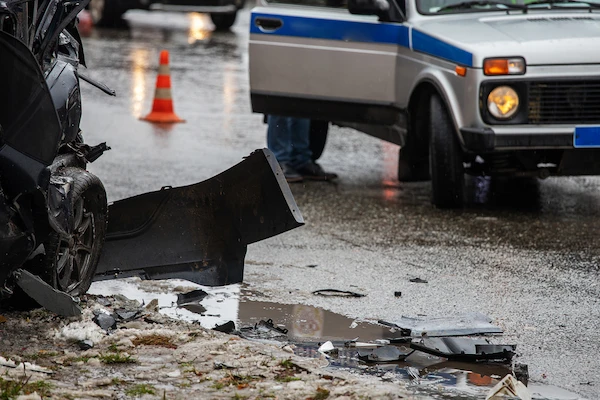
Not every weather-related crash comes down to another driver’s actions. Sometimes, the road itself is the problem. Government entities are responsible for maintaining safe roadways, and when they fail to do so, they may share responsibility for a resulting crash. Common examples include:
- Potholes that go unaddressed for long periods despite being reported
- Poor drainage that causes water to pool and vehicles to hydroplane
- Faded or missing lane markings that become nearly invisible in rain or fog
- Malfunctioning traffic signals at high-risk intersections
- Inadequate signage warning drivers of known hazards, like a sharp curve or a bridge that freezes early
Claims involving a government entity work differently than a typical car accident claim. They often involve shorter deadlines and specific notice requirements that must be followed carefully. If you suspect poor road conditions led to your crash, it’s worth having an attorney evaluate the situation as soon as possible.
Steps to Take After a Weather-Related Crash
What you do in the hours and days after a crash can make a real difference in your claim later on.
- Take photos of the road and weather conditions at the scene: standing water, ice, fog, poor lighting, or damaged pavement.
- Document vehicle damage from multiple angles, including any visible issues with the other driver’s vehicle, like worn tires or broken lights.
- Get a police report, which will often include an officer’s observations about the weather and road conditions at the time.
- Seek medical attention quickly, even if your injuries seem minor at first.
- Avoid detailed statements to insurance adjusters before speaking with an attorney, especially about how the weather may have contributed.
These steps help preserve evidence that can disappear quickly — a puddle dries up, a pothole gets patched, and skid marks fade.
How Our Car Accident Attorneys Can Help You
When conditions are hard to reconstruct after the fact, having someone dig into the details makes a real difference. Our team gathers weather data, traffic camera footage, and road maintenance records. When necessary, we work with accident reconstruction experts to establish exactly what happened and why.
We also negotiate with insurance companies, who are often quick to lean on “the weather” as a convenient explanation that lets them minimize your claim. We know how to push back on that narrative with evidence, and we know how to build a case that reflects what really happened on the road that day. You focus on recovering. We’ll handle the rest.
Frequently Asked Questions
Can I still file a claim if the crash happened during bad weather? Yes. Weather conditions don’t automatically prevent you from pursuing a claim. What matters is whether the other driver failed to adjust their driving to those conditions, or whether a road defect contributed to the crash.
What if the police report says the weather caused the accident? A police report is one piece of evidence, but it isn’t the final word on what happened. Our attorneys often dig deeper to find additional evidence showing that a driver’s choices — not just the weather — played a role in the crash.
Contact Our Knoxville Car Accident Lawyers Today for a Free Case Review
If you were injured in a car accident during bad weather anywhere in East Tennessee, don’t let an insurance company convince you that nothing could have been done differently. Our Knoxville Car Accident Lawyer team is ready to help you. Contact us today or call 865-424-9858 for a free, no-obligation case review. We’ll listen to what happened and explain your options.