The Hidden Danger of Truck Accident Fatigue: What Every Injured Driver Needs to Know
After a devastating accident, many victims are left asking the same painful questions — “How did this happen?” and “Could it have been prevented?” In far too many cases, truck accident fatigue is the answer. When an exhausted motorist loses focus behind the wheel of a multi-ton rig, the consequences can be catastrophic.
At Knoxville Car Accident Lawyer, a lawyer understands the physical, emotional, and financial toll these accidents take on victims and their families. Our experienced legal team has helped countless Tennesseans rebuild their lives after serious accidents caused by fatigue, negligence, and overworked drivers. A lawyer will fight to hold trucking companies, employers, and insurers accountable — because no one should suffer due to a motorist pushed beyond safe limits.
Driver fatigue slows reaction times, clouds judgment, and can lead to tragic crashes on Knoxville’s highways. The results? Permanent injuries, overwhelming medical bills, and lost wages can devastate a family’s future.
In this article, we’ll explain how truck accident fatigue contributes to serious collisions, what federal and Tennessee laws say about driver rest requirements, and how an experienced lawyer from Knoxville Car Accident Lawyer can help you protect your rights and pursue full compensation for your injuries and losses. Contact us today at 865-424-9858 for trusted assistance.

Understanding Truck Driver Fatigue
Truck driver fatigue is a major factor in many serious truck accidents. It affects driving ability, slows reaction times, and increases the risk of dangerous crashes.
What is Truck Driver Fatigue
Truck driver fatigue happens when a driver is too tired to operate a commercial truck safely. It is more than feeling sleepy. Fatigue can involve physical exhaustion, mental exhaustion, or both. Fatigued drivers often have slower reflexes, reduced awareness, and poor decision-making. An experienced lawyer can investigate whether fatigue played a role in the crash and identify evidence of safety violations.
Common Causes of Fatigue
Many truck drivers work long hours to meet delivery deadlines. This can lead to excessive driving and limited rest breaks. Sleep deprivation is common, especially for long-haul drivers on cross-country routes. Some suffer from sleep disorders such as sleep apnea, which prevent proper rest. Poor scheduling by trucking companies and pressure to deliver loads quickly can also increase fatigue.
How Fatigue Impacts Driving Ability
Fatigue reduces focus and slows reaction times. A fatigued person may drift out of their lane, miss traffic signals, or react too slowly to sudden hazards. Studies by the Federal Motor Carrier Safety Administration show that drowsy motorists can be as dangerous as motorists under the influence of alcohol. Fatigue-related accidents often involve severe injuries or fatal crashes, especially when large trucks collide with passenger vehicles.
The Role of Trucking Companies
Trucking companies have a duty to prevent drivers from operating while fatigued. This includes following federal hours-of-service regulations, requiring accurate driving logs, and enforcing mandatory rest breaks. When these responsibilities are ignored, injured victims may benefit from speaking with a lawyer who can examine logbooks, electronic data, and company records to determine whether negligence contributed to the collision.
Tennessee & Federal Laws Governing Truck Driver Hours
Truck accident fatigue is often linked to violations of state and federal safety rules. These laws set limits on how long truck drivers can operate without rest.
Federal Hours of Service Rules
The Federal Motor Carrier Safety Administration (FMCSA) has hours-of-service regulations for commercial truck drivers. These rules limit the number of driving hours per day and per week. They also require specific rest breaks and off-duty periods. For example, most long-haul drivers can drive a maximum of 11 hours after 10 consecutive hours off duty. They must take a 30-minute break after eight hours of driving. These rules are designed to prevent drowsy driving and fatigue-related accidents.
Driver Logs and Electronic Monitoring
Truck drivers must keep accurate records of their driving hours. Federal regulations require either paper driving logs or electronic logging devices. These records help show compliance with hours-of-service rules. They also provide important evidence in accident cases involving fatigued drivers.
Tennessee Enforcement and Due Care Requirement
In Tennessee, law enforcement officers can inspect driving logs and check for hours-of-service violations during roadside inspections. Truck operators must also follow the state’s general duty of care law, found in Tenn. Code Ann. § 55-8-136. This law requires drivers to operate their vehicles safely to avoid injuring others. Violating federal or state safety rules can be used to prove negligence in fatigue-related truck accident cases.
Why Compliance Matters
Following hours-of-service regulations helps reduce fatigue-related crashes and keeps the trucking industry safer. When trucking companies push drivers to exceed legal limits, they increase the risk of severe injuries and fatal crashes. An experienced lawyer can use violations of these laws to hold a trucking company accountable.
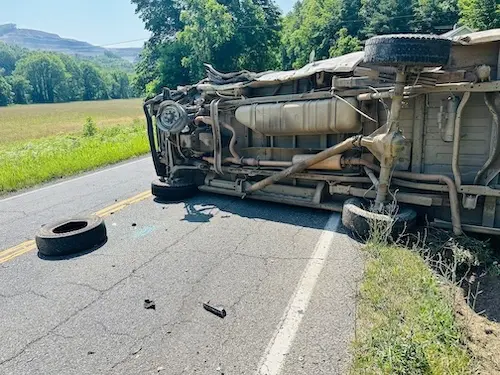
Why Truck Accident Fatigue is as Dangerous as Drunk Driving
Fatigue affects a driver’s ability to operate a vehicle in ways similar to alcohol impairment. Both conditions reduce attention, slow reactions, and increase the risk of serious accidents.
Slower Reaction Times
A fatigued truck operator reacts more slowly to traffic changes and road hazards. This delay can make it impossible to avoid an accident, especially in a semi-truck or large truck that requires more distance to stop. Studies show that being awake for 18 hours can affect reaction times in the same way as having a blood alcohol concentration of 0.05 percent.
Impaired Judgment and Focus
Truck accident fatigue leads to poor decision-making and reduced focus on the road. A drowsy rider may drift into another lane, misjudge distances, or fail to notice slowing traffic. This mirrors the same dangerous driving patterns seen in drunk driving cases and often results in severe injuries or fatal crashes.
Increased Risk of Falling Asleep at the Wheel
Driving for long hours without proper rest increases the risk of a rider falling asleep while operating a commercial vehicle. Even a brief moment of nodding off can cause a devastating accident. A fatigued driver asleep at the wheel can cause catastrophic injuries to occupants of passenger vehicles and other road users.
The Role of Trucking Companies in Prevention
Trucking companies must ensure drivers follow hours-of-service regulations and take required rest breaks. Ignoring these safety rules creates conditions where fatigue-related accidents become more likely. Just as companies can be held liable for allowing impaired drivers on the road, they can also be held accountable for pushing fatigued drivers to continue driving.
How Truck Accident Fatigue Leads to Devastating Consequences
Truck accident fatigue can turn a simple driving mistake into a deadly accident. Large commercial trucks have more weight and force than passenger vehicles, which means accidents often cause severe harm.
Severe Injuries and Catastrophic Damage
Fatigue-related accidents often lead to serious injuries such as traumatic brain injuries, spinal cord damage, and broken bones. The size and speed of a semi-truck make even low-speed impacts dangerous. Many victims face long-term medical care, rehabilitation, and permanent disability.
Fatal Truck Crashes
When fatigue causes a driver to lose control, the result can be a fatal accident. Passenger cars and smaller vehicles are at a much greater risk in these collisions. Families are left dealing with wrongful death claims, funeral costs, and the loss of income and support from their loved one.
Financial and Emotional Impact
The costs after a fatigue-related accident go beyond medical expenses. Victims may lose wages from time off work or be unable to return to their jobs. Emotional distress, mental health struggles, and reduced quality of life are common. These damages make it critical to hold the trucking company accountable.
Lasting Effects on Victims and Families
The effects of truck accident fatigue are long-term. Recovery can take years, and some injuries never fully heal. Families may struggle with financial strain and the emotional weight of caring for an injured loved one. This is why strong legal action with help from a lawyer is important in accident cases involving fatigue.
Why You Need a Skilled Truck Accident Fatigue Lawyer in Knoxville
After a serious collision caused by truck accident fatigue, having the right lawyer on your side can make all the difference in your recovery. Trucking companies and their insurers often move quickly to protect themselves — not the victims. They may downplay driver fatigue, deny negligence, or attempt to shift the blame onto you. Without experienced legal representation from a lawyer, you risk losing the fair compensation you deserve.
At Knoxville Car Accident Lawyer, a lawyer understands how to uncover the truth behind accidents involving fatigue. A lawyer also digs deep into driver logs, electronic data recorders (black boxes), and employment schedules to prove when a driver was overworked or violated federal hours-of-service regulations. These details are critical for holding negligent drivers and trucking companies accountable under state and federal law.
Experience That Delivers Results
Our lawyers have years of experience handling complex commercial vehicle cases throughout Knoxville and East Tennessee. A lawyer knows how to challenge corporate legal teams, negotiate aggressively with insurance companies, and build powerful cases that secure maximum compensation for our clients.
Comprehensive Legal Support
When you work with a lawyer from our firm, you’re getting more than legal representation — you’re getting a team that cares. From investigating the accident scene to working with accident reconstruction experts, a lawyer handles every step so you can focus on healing. A lawyer will pursue damages for:
- Medical treatment and long-term care
- Lost income and reduced earning capacity
- Pain, suffering, and emotional distress
- Property damage and rehabilitation costs
Protect Your Rights After a Fatigue-Related Truck Accident
Don’t let a negligent trucking company or fatigued driver escape responsibility. A lawyer is available 24/7 to review your accident and explain your options.
Contact us 865-424-9858 today for a free consultation with an experienced personal injury lawyer who will fight to protect your rights and pursue the full compensation you deserve.

Frequently Asked Questions About Truck Driver Fatigue
How Does a Lawyer Prove Driver Fatigue in a Truck Accident?
In truck accidents involving driver fatigue, proving exhaustion requires more than suspicion. A lawyer will conduct a deliberate investigation that combines regulatory records, digital data, witness statements, and expert analysis to show how hours behind the wheel and violations of hours-of-service led to an accident.
Key Types Of Evidence
- Logbooks & ELD Data: Compare driver’s handwritten logs or Electronic Logging Device records against FMCSA regulations to spot missing rest breaks or falsified entries.
- GPS, Toll & Mileage Records: Match actual routes and timestamps to log entries—discrepancies can reveal extended driving beyond permitted limits.
- Black Box (ECM) Data: Review vehicle telematics for sudden braking, erratic steering, or absence of evasive maneuvers indicative of drowsy reaction times.
- Dispatch & Employment Records: Document tight schedules, mandatory overtime, or employer pressure that foster commercial driver fatigue.
- Medical & Medication Records: Identify sleep disorders or prescription medications that impair alertness.
- Witness & Police Reports: Firsthand accounts of nodding off, bloodshot eyes, or admissions of tiredness help corroborate exhaustion at the scene.
- Expert Testimony: Sleep specialists and human factors analysts explain how fatigue undermines reaction times and decision-making in truck crashes.
Legal Strategies
- Correlate Multiple Data Sources: Cross-check ELD records, GPS logs, and toll receipts to expose unreported driving hours.
- Document Company Practices: Show how unrealistic routes or failure to enforce rest periods create systemic risk.
- Preserve Evidence Immediately: Secure logbooks, black-box downloads, and electronic records before alteration or loss.
- Leverage Expert Analysis: Use sleep science and accident reconstruction to tie regulatory violations to driver impairment and the resulting accident.
Trucking companies may withhold or destroy fatigue-related records. Some cases lack a clear admission of tiredness, requiring a circumstantial approach that pieces together digital logs, employment documents, and expert modeling of fatigue effects.
A successful fatigue-related accident claim depends on a swift, data-driven investigation. By combining logbooks, ELD and black-box data, witness accounts, and expert testimony, a lawyer can prove that driver fatigue—whether due to personal health issues or company pressure—was a cause of the accident.
Will My Truck Accident Lawyer Deal With The Insurance Companies For Me?
Your lawyer will serve as your sole point of contact with insurance companies after an accident. Whether the accident involves allegations of driver fatigue or other factors like hours-of-service violations, a lawyer handles every aspect of communication and negotiation on your behalf.
Why Legal Advocacy Matters
Insurance adjusters are trained to minimize payouts, especially in cases involving commercial vehicle accidents and fatigue-related incidents in trucking. Common tactics include:
- Pressuring victims into quick settlements
- Offering lowball amounts that don’t cover medical bills, lost wages, or pain and suffering
- Shifting blame onto you, for example, citing reaction times or pre-existing conditions
A dedicated lawyer counters these strategies, ensuring you aren’t intimidated or tricked into accepting less than you deserve. A lawyer protects your rights by:
- File and track your claim: We submit all necessary forms, evidence of injuries, and fatigue-related data (logs, driver testimony, expert analysis).
- Investigate thoroughly: From scene preservation to collecting hours-of-service records and eyewitness accounts, a lawyer builds a strong case around any role of exhaustion or truck driver fatigue.
- Negotiate aggressively: A lawyer demands fair compensation for medical expenses, ongoing care for traumatic brain injuries or other injuries, lost income, and non-economic losses.
- Litigate if needed: If insurers won’t budge, a lawyer will file suit and represent you in court to secure the full recovery you deserve.
By directing all inquiries to your lawyer, you avoid giving recorded statements or filling out forms that might hurt your claim. You’ll save time, reduce stress, and stay focused on healing.
What Regulations Are In Place To Prevent Fatigued Truck Drivers?
Hours of Service Limits
The Federal Motor Carrier Safety Administration (FMCSA) has established clear Hours of Service (HOS) rules to reduce fatigued drivers in commercial trucking:
- Maximum driving of 11 hours following at least 10 consecutive hours off duty
- A 14-hour on-duty window, including driving and related tasks, after a 10-hour rest break
- A 60-hour limit on duty in 7 consecutive days or 70 hours in 8 days, reset by a 34-hour off-duty period that must include two nighttime spans (1 a.m.–5 a.m.)
Mandatory Breaks and Rest
To ensure alertness behind the wheel and limit fatigue-related accidents:
- A 30-minute break is required after 8 cumulative hours of driving (may be off duty or on duty, not driving)
- Sleeper berth provisions allow dividing the 10-hour rest into at least 7 hours in the berth plus 2 hours off duty, without extending the 14-hour driving window
Electronic Logging and Enforcement
Compliance and enforcement rely on technology and penalties:
- Electronic Logging Devices (ELDs) automatically record hours-of-service, curbing logbook manipulation
- Violations of HOS rules can result in significant fines for drivers and carriers, deterring unsafe schedules
Pilot Programs and Flexible Options
The FMCSA tests new fatigue-management approaches aimed at different trucking operations:
- Split Duty Period pilot explores flexible break schedules
- Flexible Sleeper Berth pilot evaluates alternative rest splits to align with natural circadian rhythms
Why These Rules Matter
Strict limits on driving time, mandatory rest, and automated logging work together to:
- Reduce crashes caused by exhaustion in truck accidents
- Improve reaction times and alertness on long hauls
- Protect other motorists from the impact of tiredness in truck crashes
Speak With a Knoxville Truck Accident Fatigue Lawyer Today!
If you or a loved one has been injured in a crash caused by truck accident fatigue, a lawyer from Knoxville Car Accident Lawyer is ready to help. A lawyer has the experience and resources to investigate your case, hold the trucking company accountable, and fight for the compensation you deserve. Contact us today at 865-424-9858 for a free consultation with a lawyer!