Knoxville Pedestrian Safety and Your Legal Rights
At Knoxville Car Accident Lawyer, we stand with victims of pedestrian and vehicle collisions. Our firm focuses on injury law in Knoxville and across Tennessee. We bring legal experience, local knowledge, and a commitment to your recovery. If you have suffered losses from a crash, our team will guide you step by step, protect your rights, and fight for fair compensation.
Knoxville pedestrian safety is a growing concern as traffic fatalities and serious injuries continue to affect city streets, intersections, and roadways. Local governments and Knoxville-Knox County Planning are working through the Vision Zero action plan to improve public safety with better sidewalks, bike lanes, and traffic signals. However, many severe crashes still happen on high-risk roads.
Understanding Tennessee pedestrian laws and knowing when to contact a Knoxville pedestrian accident attorney can help protect your rights and support safer streets for the entire community.
Understanding Pedestrian Rights Under Tennessee Law
Pedestrian laws in Tennessee establish clear rules for who has the right-of-way and when. The law sets out pedestrian rights and duties to improve safety and reduce collisions.
Right-of-Way at Crosswalks
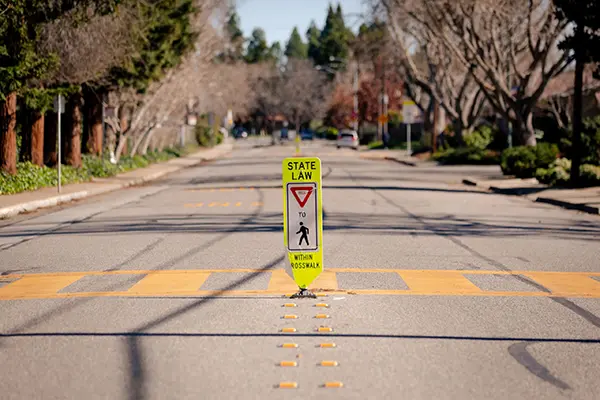
Under Tenn. Code Ann. § 55-8-134, drivers must yield to pedestrians crossing at marked crosswalks or intersections. This law is central to pedestrian safety because many of the most severe crashes happen when vehicles ignore crosswalks on city-controlled roads.
Pedestrian Responsibilities
Pedestrians also have duties under Tenn. Code Ann. § 55-8-135. They must obey traffic signals and avoid stepping suddenly into the path of vehicles. This balance helps reduce risks, especially on roads with heavy traffic.
Driver Responsibilities
Drivers have a legal duty to watch for pedestrians and take reasonable steps to avoid hitting them under Tenn. Code Ann. § 55-8-136. Even if a pedestrian is crossing outside a marked crosswalk, drivers must use due care to help prevent a collision. This includes staying alert, watching the road carefully, and reacting when a pedestrian is in or approaching the roadway.
Why These Laws Matter
Tennessee laws guide how drivers and pedestrians interact on streets, sidewalks, intersections, and greenways. These rules also provide attorneys with the legal framework needed to support victims and pursue justice after serious crashes.
Knoxville Pedestrian Safety Challenges
Knoxville faces persistent pedestrian safety concerns that affect public health, roadway safety, and progress toward the Vision Zero action plan.
Roads With the Most Serious Crashes
Some of Knoxville’s most serious crashes happen on major roads, such as Chapman Highway, Magnolia Avenue, Woodland Avenue, and Clinch Avenue. These roads have a higher number of crashes that cause serious injuries or deaths because of heavy traffic, higher speeds, and places where pedestrians and vehicles must share limited space.
Roadway Design Risks
Some city-controlled roads lack safe crosswalks, traffic signals, and adequate lighting. This increases risks for pedestrians, bicyclists, and drivers. Construction projects and poor intersection design further compromise pedestrian safety in downtown Knoxville and surrounding neighborhoods.
Pressure on Public Safety Services
City services and Knoxville-Knox County Planning work to improve roadway safety through sidewalk expansion, bicycle lane connections, and better data collection. However, limited resources and competing infrastructure demands slow progress. These challenges make it harder for local governments and elected officials to meet Vision Zero goals of eliminating traffic fatalities.
Community Impact
Unsafe streets affect more than pedestrians. Families, businesses, and schools near busy roads face daily risks. Residents on avenues such as Magnolia and Woodland see how injuries and crashes strain community health and city safety programs. Each improvement, from new bike lanes to updated crosswalks, supports progress toward saving lives.
Vision Zero and the Safe System Approach
Knoxville has adopted the Vision Zero action plan to improve roadway safety and eliminate traffic fatalities and serious injuries.
Vision Zero Goals
The Vision Zero action plan provides a transparent platform for city departments and local governments. The plan focuses on saving lives through roadway safety improvements, better data, and public education programs. It highlights the need to redesign the roads where most severe crashes happen.
Safe System Approach
The Safe System Approach accepts that human mistakes happen but aims to prevent fatal or serious outcomes. Strategies include lowering traffic speeds, creating safer intersections, and adding sidewalks and bike lanes. This approach is central to Knoxville pedestrian safety because it addresses risks across city-controlled roads and downtown avenues.
Infrastructure and Street Design
Projects on Magnolia Avenue, Chapman Highway, Woodland Avenue, and Clinch Avenue show how infrastructure design can improve safety. Adding crosswalks, traffic signals, and bicycle connections reduces risks for pedestrians and bicyclists. These improvements align with Knoxville-Knox County Planning efforts to support public safety and healthy transportation options.
Role of Community and Officials
Progress depends on support from elected officials, city services, and community stakeholders. Transparent communication about safety projects helps residents understand the action plan and its goals. By addressing roadway safety and making steady improvements, Knoxville can move closer to eliminating traffic fatalities and serious injuries.
Knoxville Pedestrian Safety Tips
While infrastructure improvements take time, pedestrians and drivers can take practical steps right now to reduce risk.
Tips for Pedestrians
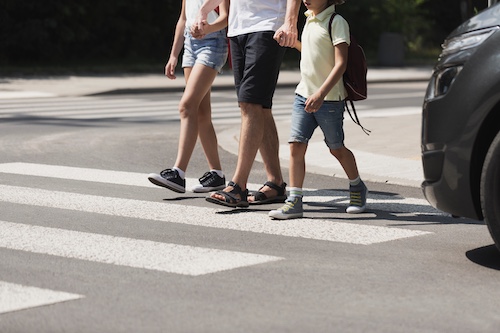
- Use marked crosswalks whenever possible. Crossing at intersections and marked crosswalks gives drivers the clearest expectation of where to look for you.
- Make eye contact with drivers before crossing. A driver who is stopped does not always see you. Confirming eye contact helps ensure they know you’re about to cross.
- Stay visible at night. Wear light-colored or reflective clothing and carry a flashlight or use a phone light on poorly lit roads and roadway corridors.
- Avoid distractions while walking. Put phones away and remove headphones near intersections so you can hear approaching traffic.
- Watch for turning vehicles. Drivers turning at intersections may be focused on other traffic and miss pedestrians in the crosswalk.
- Never assume a driver sees you. Even with the right-of-way, pause and confirm that approaching vehicles are slowing down before stepping into the road.
- Walk facing traffic where there is no sidewalk. This gives you a better chance to react if a vehicle drifts toward the shoulder.
Tips for Drivers
- Slow down near crosswalks and intersections, especially in downtown Knoxville and along busy roads like Chapman Highway and Magnolia Avenue.
- Come to a complete stop for pedestrians in crosswalks, as required under Tennessee law, rather than rolling through or waving them across.
- Put the phone away. Distracted driving is one of the leading causes of pedestrian crashes, and a few seconds of inattention can be the difference between a close call and a serious injury.
- Use extra caution in school zones, near parks, and in residential neighborhoods where children and families are more likely to be walking.
- Check for pedestrians before turning, particularly at intersections without dedicated turn signals.
- Adjust to driving conditions. Reduce speed in poor lighting, rain, or construction zones where visibility is limited.
Small changes in daily habits, paired with the city’s ongoing Vision Zero improvements, can meaningfully reduce the risk of a pedestrian accident.
Common Causes of Pedestrian Accidents in Knoxville
Pedestrian accidents in Knoxville often stem from driver behavior, roadway design, and gaps in city services that affect public safety.
Failure to Yield
Many severe crashes occur when drivers fail to yield at crosswalks and intersections. This problem is common along city-controlled roads such as Chapman Highway and Magnolia Avenue. Ignoring right-of-way increases risks and undermines pedestrian safety in Knoxville.
Distracted and Speeding Drivers
Distracted driving and speeding remain the leading causes of serious injuries. Phones, navigation systems, and other distractions reduce driver awareness at intersections and crosswalks. Excess speed shortens reaction time and makes collisions more severe, especially in dense areas like downtown.
Poor Lighting and Roadway Conditions
Insufficient lighting and poorly maintained roads make it difficult for drivers to see pedestrians at night. Missing sidewalks, faded crosswalks, and obstructed traffic signals add to the risks. These conditions are frequent along high-risk roads identified in the Vision Zero action plan.
Construction and Infrastructure Gaps
Construction zones, limited sidewalks, and incomplete bike lanes create unsafe walking routes. Pedestrians often face blocked paths and are forced into traffic lanes. These gaps highlight the need for ongoing roadway safety improvements supported by Knoxville-Knox County Planning and other city services.
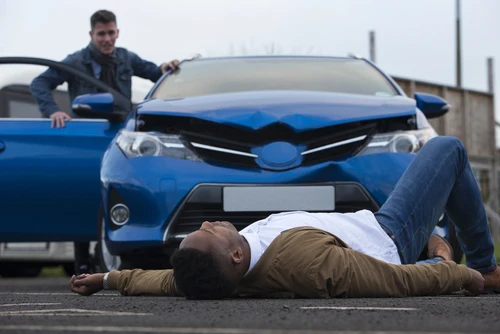
What To Do After a Pedestrian Accident
Taking the right steps after a pedestrian accident in Knoxville can protect your health, preserve evidence, and support any future legal claim.
Seek Medical Attention
Health comes first. Even if injuries appear minor, seek immediate medical care. Many serious injuries are not visible at the scene. Treatment records also provide essential documentation for any case handled by a pedestrian accident attorney.
Report the Accident
Call law enforcement and file a report. Police data and traffic signal records help confirm how the crash happened. Reporting also alerts city services and departments that track roadway safety and support the Vision Zero action plan.
Gather Evidence
Collect photos of the scene, roadway conditions, crosswalks, and traffic signals. Ask witnesses for contact information and note any construction or roadway safety issues. This evidence can be critical in proving fault.
Consult With a Pedestrian Accident Lawyer
A pedestrian accident lawyer can explain your rights under Tennessee law and help pursue fair compensation. Legal support is important when dealing with insurance companies that minimize claims. An attorney can gather evidence, document the full extent of your injuries and losses, and negotiate for a fair settlement.
Contact Our Knoxville Pedestrian Accident Attorneys for a Free Case Review
If you or someone you love has been injured in a pedestrian accident, do not wait to get the help you need. Our team at Knoxville Car Accident Lawyer is ready to protect your rights, hold negligent drivers accountable, and pursue the compensation you deserve. A dedicated pedestrian accident lawyer from our firm will guide you through every step of the process.
Contact us at 865-424-9858 for a free case review today!